
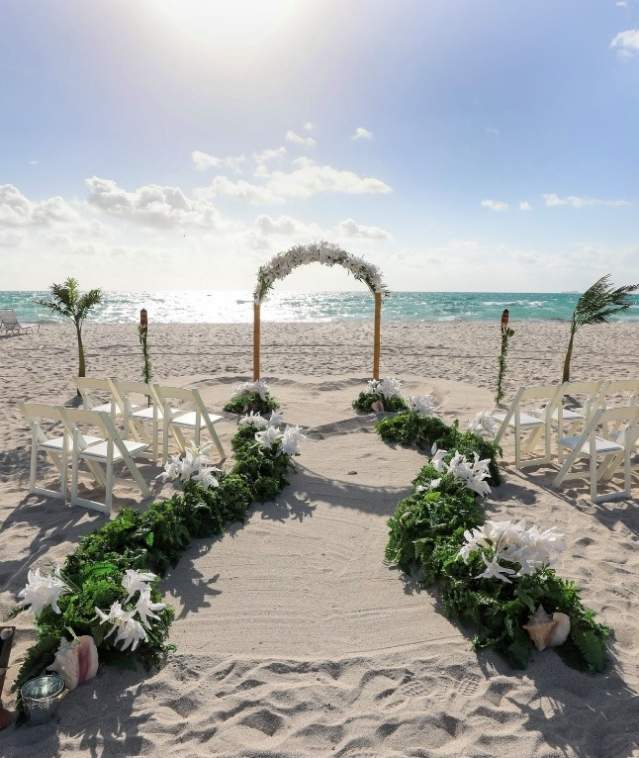
What Is a Beach Wedding Permit?
A beach wedding permit is an official authorization issued by a local government, park authority, or beach management organization that allows you to legally host a wedding ceremony on a specific beach. Because most beaches are public spaces or protected natural areas, permits help regulate events and ensure the beach remains accessible, safe, and environmentally protected.
A permit typically outlines the approved location, date, time, and size of your ceremony. It also defines what is allowed and restricted, such as decorations, seating, music, and vendor access. Even small or symbolic ceremonies may require a permit, depending on local regulations.
Beach wedding permits serve several important purposes. They help prevent overcrowding, minimize environmental impact, and avoid conflicts with other beachgoers or scheduled events. Permits also ensure compliance with safety rules, noise ordinances, and conservation laws that protect dunes, wildlife, and marine ecosystems.
It’s important to note that a permit does not grant exclusive use of the entire beach in most cases. Instead, it allows you to hold your ceremony in a designated area while sharing the space with the public. Private beaches or resort-owned beaches may follow different rules, but permits are still often required through local authorities.
Understanding what a beach wedding permit is — and why it’s required — is the first step toward planning a smooth, stress-free seaside ceremony that complies with local laws and avoids last-minute issues.
Do You Need a Permit for a Beach Wedding?
In most cases, yes — a permit is required to legally hold a wedding on a beach. While the rules vary by location, many cities, counties, and park authorities require permits even for small, simple ceremonies.
When a Permit Is Required
You typically need a beach wedding permit if your ceremony includes:
More than a few guests
Chairs, arches, or décor
A photographer or videographer
Officiants and vendors
Reserved space on a public beach
Even a short ceremony can be considered an organized event and therefore regulated.
Small Ceremonies & Elopements
Some locations allow very small elopements (often 2–10 people) without a permit if:
No chairs, arches, or décor are used
No amplified sound is involved
The ceremony does not block public access
However, this varies widely, and many beaches still require a permit regardless of size.
Symbolic vs. Legal Ceremonies
A common misconception is that symbolic ceremonies don’t need permits. In reality:
Permit rules apply to the use of the space, not the legal status of the marriage
Symbolic and legal ceremonies are treated the same by local authorities
What Happens If You Skip the Permit
Hosting a beach wedding without a required permit can result in:
Fines or penalties
Being asked to stop or relocate the ceremony
Loss of vendor services or photography time
In some locations, authorities actively monitor popular wedding beaches.
Private & Resort Beaches
Private or resort-owned beaches may not require a public permit
However, resorts often handle permits on your behalf or include them in wedding packages
Local government rules may still apply, especially for large events
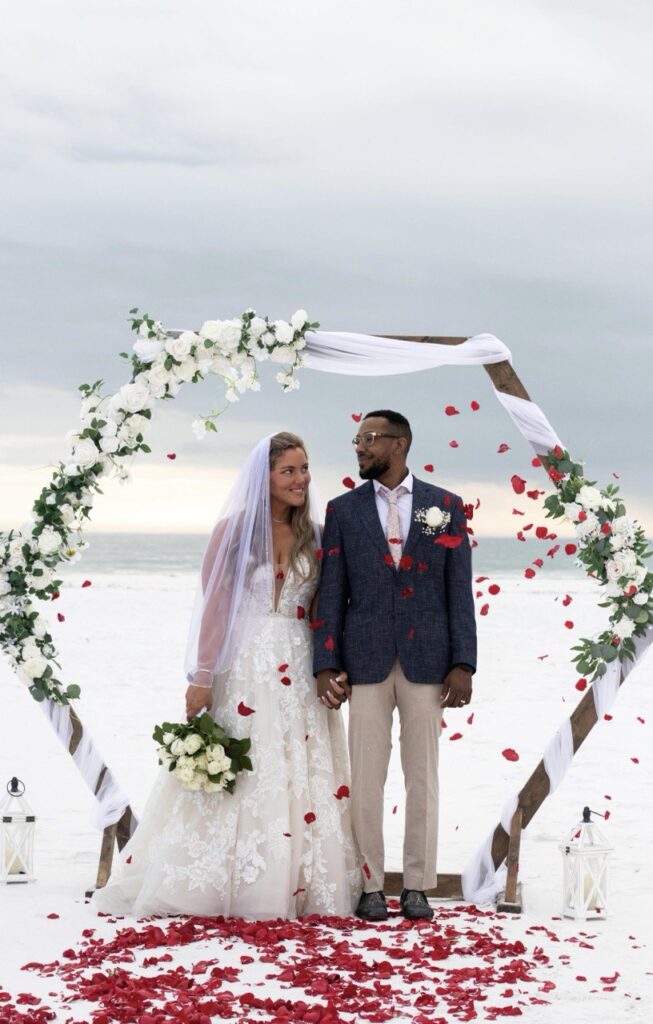
Types of Beaches & Permit Rules
Beach wedding permit requirements depend heavily on who manages the beach. Understanding the type of beach you’re planning to use will help you determine the correct permit process and rules.
Public Beaches
Managed by cities or counties
Almost always require a permit for weddings
Regulations often cover guest count, setup time, and decorations
Ceremonies must remain open to the public
Typical Rules Include:
Limited ceremony duration (30–60 minutes)
No blocking walkways or access points
Restrictions on amplified sound
State Parks & National Parks
Require permits through park services
Often stricter environmental protection rules
Guest limits may be lower
Decorations are highly regulated
Common Restrictions:
No open flames
No attaching décor to natural features
Limited or no chairs and arches
City & County Beaches
Permits issued by local parks or recreation departments
Rules vary significantly by location
May require proof of insurance
What to Expect:
Specific ceremony zones
Defined setup and cleanup windows
Separate vendor access rules
Private & Resort Beaches
Typically managed by hotels or resorts
Permits may be handled internally or bundled into packages
Fewer restrictions, but higher costs
Important Note:
Some “private” beaches still require government permits, especially in coastal states where beaches are publicly regulated.
Destination & International Beaches
Rules vary by country
Some destinations require local marriage licenses plus beach permits
Resort weddings often simplify the process
Tip:
Work with a local planner or resort coordinator to avoid language barriers and legal confusion.
How to Apply for a Beach Wedding Permit
Applying for a beach wedding permit is usually straightforward, but the process varies depending on the beach’s governing authority. Starting early and understanding the requirements will help ensure approval without delays.
Where to Apply
Permits are typically issued by:
City or county parks and recreation departments
State park services
National park authorities
Local municipalities or coastal management offices
Many agencies provide online application forms, while others require in-person or mailed submissions.
Information & Documents Required
Most permit applications ask for:
Wedding date and preferred time
Exact beach location
Estimated number of guests
Setup details (chairs, arch, décor)
Vendor information (photographer, officiant)
Proof of event insurance (if required)
Application Timelines
Apply at least 30–90 days in advance
Popular beaches and peak seasons may require earlier submission
Some locations limit how many weddings can be scheduled per day
Late applications may be denied due to availability or processing time.
Approval Process
Applications are reviewed for compliance with local rules
You may be asked to adjust guest count, décor, or timing
Once approved, you’ll receive written confirmation or a permit document
Online vs. In-Person Applications
Online: Faster and more convenient, often with digital payments
In-person: Required for complex events or larger guest counts
Beach Wedding Permit Costs
The cost of a beach wedding permit varies widely depending on location, beach type, and the size of your ceremony. Understanding potential fees helps you budget accurately and avoid surprises.
Typical Permit Fee Ranges
Public city or county beaches: $50–$300
State parks: $75–$400
National parks: $100–$500+
Popular destination beaches: Fees may be higher during peak seasons
These fees usually cover a set time period and specific ceremony area.
Additional Fees to Consider
Some locations charge extra for:
Larger guest counts
Extended ceremony time
Use of chairs, arches, or décor
On-site monitors or park rangers
Cleanup or restoration deposits
Insurance Costs
Event liability insurance may be required
Typical coverage ranges from $1–2 million
Costs usually range from $50–$200
Insurance often must list the city, county, or park authority as an additional insured.
Refund & Cancellation Policies
Many permits are non-refundable
Some allow date changes for weather-related issues
Always check cancellation deadlines and policies
Budgeting Tips
Apply early to secure lower fees and availability
Confirm exactly what your permit includes
Ask about bundled options with planners or resorts
Permit Restrictions & Rules to Know
Beach wedding permits come with specific rules designed to protect the environment, ensure public access, and maintain safety. Understanding these restrictions in advance helps you avoid last-minute changes or violations.
Guest Count Limits
Many beaches cap guest numbers (often 10–50 people)
Larger weddings may require special approval or different locations
Guest count usually includes vendors and officiants
Time Restrictions
Permits typically allow ceremonies lasting 30–60 minutes
Setup and breakdown time may be limited
Popular beaches may restrict weddings during peak hours
Music & Noise Rules
Amplified sound is often prohibited or restricted
Live music may require special permission
Battery-powered speakers may be allowed at low volume
Decorations & Setup
Restrictions on arches, chairs, rugs, and backdrops
No attaching décor to dunes, plants, or fences
Balloons, confetti, rice, and glitter are usually prohibited
Alcohol, Food & Receptions
Alcohol is often not allowed on public beaches
Food service may be restricted or require separate permits
Receptions typically must be held off-site
Environmental Protection Rules
No disturbance of dunes or wildlife
Strict cleanup requirements
Eco-friendly materials may be required
Insurance & Liability Requirements
Many beach wedding permits require proof of event insurance to protect the local authority, the couple, and the environment. While it may seem optional, insurance is often a mandatory part of the permit process.
When Insurance Is Required
Insurance is commonly required if:
The beach is publicly owned
Guest count exceeds a minimum threshold
Chairs, arches, or décor are used
Vendors are involved
Some locations require insurance for all permitted events, regardless of size.
Typical Coverage Requirements
Most authorities require:
General liability coverage: $1–2 million
Coverage for bodily injury and property damage
The city, county, or park authority listed as additional insured
Who Provides the Insurance
The couple may purchase a one-day event policy
Wedding planners may include coverage in their services
Some venues or resorts handle insurance internally
Vendor Insurance
Photographers, planners, and rental companies may need their own insurance
Authorities may request proof before approving permits
Always confirm vendor compliance in advance
Why Insurance Matters
Protects against accidents, injuries, or property damage
Required for permit approval in many locations
Provides peace of mind on the wedding day
Popular Beach Wedding Locations & Permit Examples
Beach wedding permit rules vary by destination, but looking at common locations can help you understand what to expect. Below are examples from popular beach wedding regions and how permit requirements typically work.
Florida Beach Weddings
Permits usually issued by county parks departments
Required for most public beaches
Guest limits often range from 10–50 people
Alcohol is typically prohibited on public beaches
Average permit cost: $50–$300
California Beach Weddings
Managed by city or state park authorities
Permits required even for small ceremonies
Strict environmental and noise regulations
Insurance commonly required
Average permit cost: $100–$400
Hawaii Beach Weddings
Beaches are generally public and state-managed
Permits required through the Department of Land and Natural Resources (DLNR)
Guest limits and décor restrictions enforced
Cultural and environmental protections are strict
Average permit cost: $50–$150
Mexico Beach Weddings
Permits vary by state and municipality
Resort weddings often handle permits for you
Symbolic ceremonies are common and easier to arrange
Additional fees may apply for public beach use
Caribbean & International Destinations
Rules differ by country and island
Many couples choose resort-hosted ceremonies
Local planners often manage permits and paperwork
Legal requirements may include residency or documentation
Timeline: When to Get a Beach Wedding Permit
Applying for a beach wedding permit at the right time is essential to secure your preferred location and avoid last-minute stress. Planning ahead ensures availability and allows time to meet all requirements.
Ideal Application Window
Domestic beaches: 30–90 days before your wedding is common
Popular beaches / peak seasons: Apply 3–6 months in advance
Destination weddings: Consider even earlier, 6–12 months, to account for travel and local bureaucracy
Seasonal Demand Considerations
Summer and holiday weekends have the highest demand
Early applications improve chances of securing sunrise or sunset ceremony slots
Off-season weddings may allow shorter notice, but always confirm
Application Lead Time
Some authorities process permits within 1–4 weeks
Larger or more complex events may require longer approval times
Late applications risk denial or limited ceremony options
Coordinating with Vendors
Share your permit approval timeline with photographers, planners, and officiants
Ensure vendor schedules align with approved ceremony time
Avoid booking vendors before permit approval to prevent conflicts
Flexibility & Backup Dates
Consider alternate dates in case your preferred slot is unavailable
Some beaches allow a window of 1–2 hours flexibility
Backup plans help avoid disappointment if regulations change
Tips for a Smooth Permit Approval
Securing a beach wedding permit can be straightforward if you follow some key tips. Planning ahead and understanding local rules will help your application get approved quickly and without complications.
Work with Local Coordinators
Local wedding planners or coordinators know the permit process
They can help with paperwork, timelines, and compliance
Reduces errors and increases chances of approval
Submit Complete Applications
Include all required details: date, time, location, guest count, and vendor info
Attach insurance documents if required
Double-check signatures, forms, and fees
Communicate with Authorities
Reach out to the issuing office for guidance before submitting
Ask about restrictions or additional requirements
Confirm receipt and follow up to track approval
Be Flexible
Authorities may request adjustments to time, location, or guest count
Being open to minor changes helps ensure approval
Consider alternative spots or setups within the permitted area
Plan for Environmental & Safety Requirements
Understand rules about decorations, alcohol, and cleanup
Prepare eco-friendly or lightweight décor
Show compliance to demonstrate responsibility
Keep Copies of All Documentation
Bring printed or digital copies of your approved permit on the wedding day
Keep contracts, insurance, and communications with the permitting office handy
Common Mistakes to Avoid
Even with careful planning, couples can run into problems when obtaining a beach wedding permit. Knowing the most common mistakes helps you prevent delays, fines, or ceremony disruptions.
Applying Too Late
Popular beaches fill up quickly, especially during peak season
Late applications may be denied or limited to less desirable times
Always check the required lead time and submit early
Ignoring Local Regulations
Each beach has specific rules for décor, music, alcohol, and guest counts
Overlooking these regulations can result in fines or permit denial
Review official guidelines carefully before planning
Assuming Resorts Cover Permits
Private resorts may handle permits for you, but not always
For public or semi-private areas, the couple may still need to apply
Confirm with the resort or property management
Forgetting Insurance Requirements
Many locations require liability insurance for approval
Lack of coverage can delay or invalidate your permit
Include vendors’ insurance when needed
Not Considering Environmental Rules
Dunes, wildlife, and public access rules are strictly enforced
Using prohibited decorations (rice, balloons, confetti) can lead to fines
Plan eco-friendly and lightweight décor
Not Considering Environmental Rules
Dunes, wildlife, and public access rules are strictly enforced
Using prohibited decorations (rice, balloons, confetti) can lead to fines
Plan eco-friendly and lightweight décor